

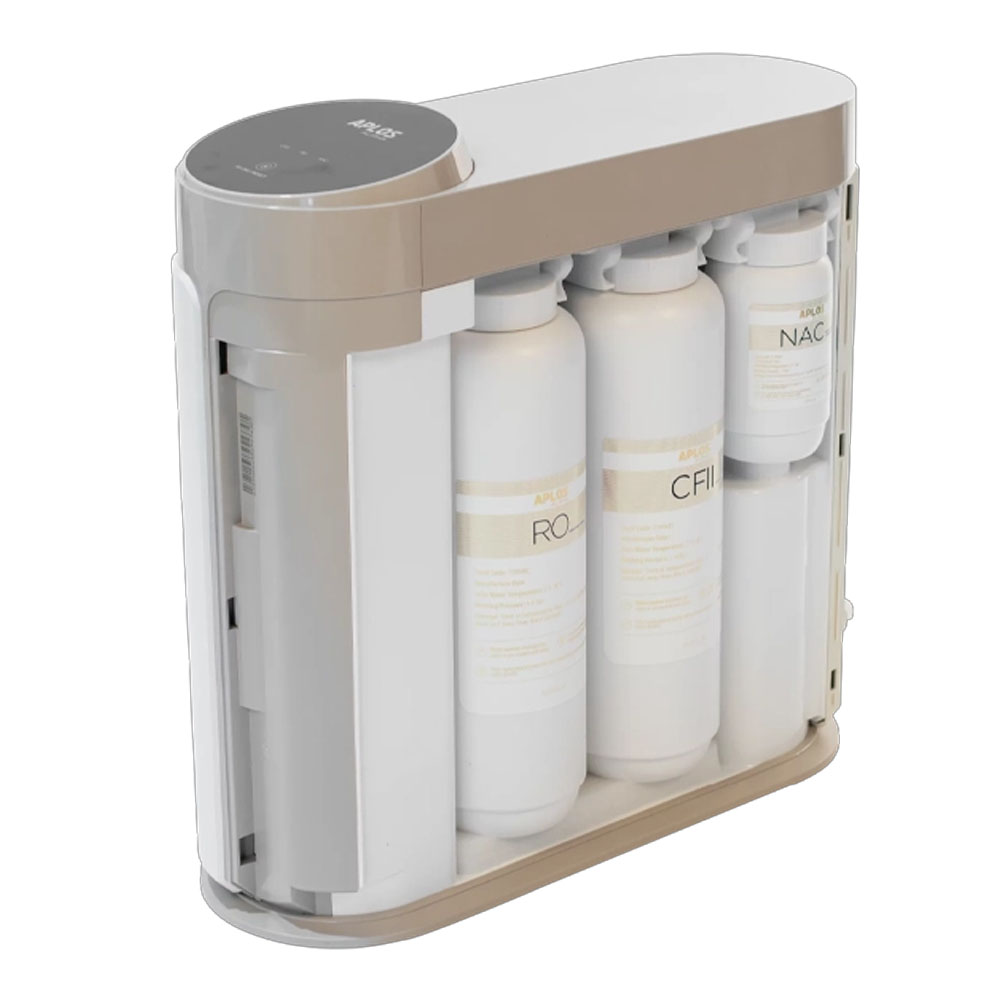
REVERSE OSMOSIS SYSTEMS OVERVIEW
If you’re looking to purify water supply using a reverse osmosis water filter solution, then you’ve come to the right place. Our systems are tested onsite before being dispatched.
Reverse osmosis is one of the most effective methods of water purification for homes and businesses alike. How it works is simple. Water is pumped at force through a semi-permanent membrane and in doing so, 99.8% of known impurities are removed. This includes sediment, dissolved salts, viruses, and bacteria.
REVERSE OSMOSIS SYSTEMS RANGE
What is APLOS and how would it be useful for me?
APLOS is a brand of EPS, that supplies quality domestic reverse osmosis drinking water systems, featuring two clear product offerings: standard and direct flow RO systems. Systems are equipped with high-grade components that are designed to ensure reliable operation and deliver top-quality water purification.

FAQ
Frequently Asked Questions
PFAS/PFOS chemicals, Microplastics, Organics / hormones, Metals, Chlorine, Fluoride, Sulphates, Nitrates, Arsenic, Sodium, Bacteria, Viruses, Parasites, Algae and many others!
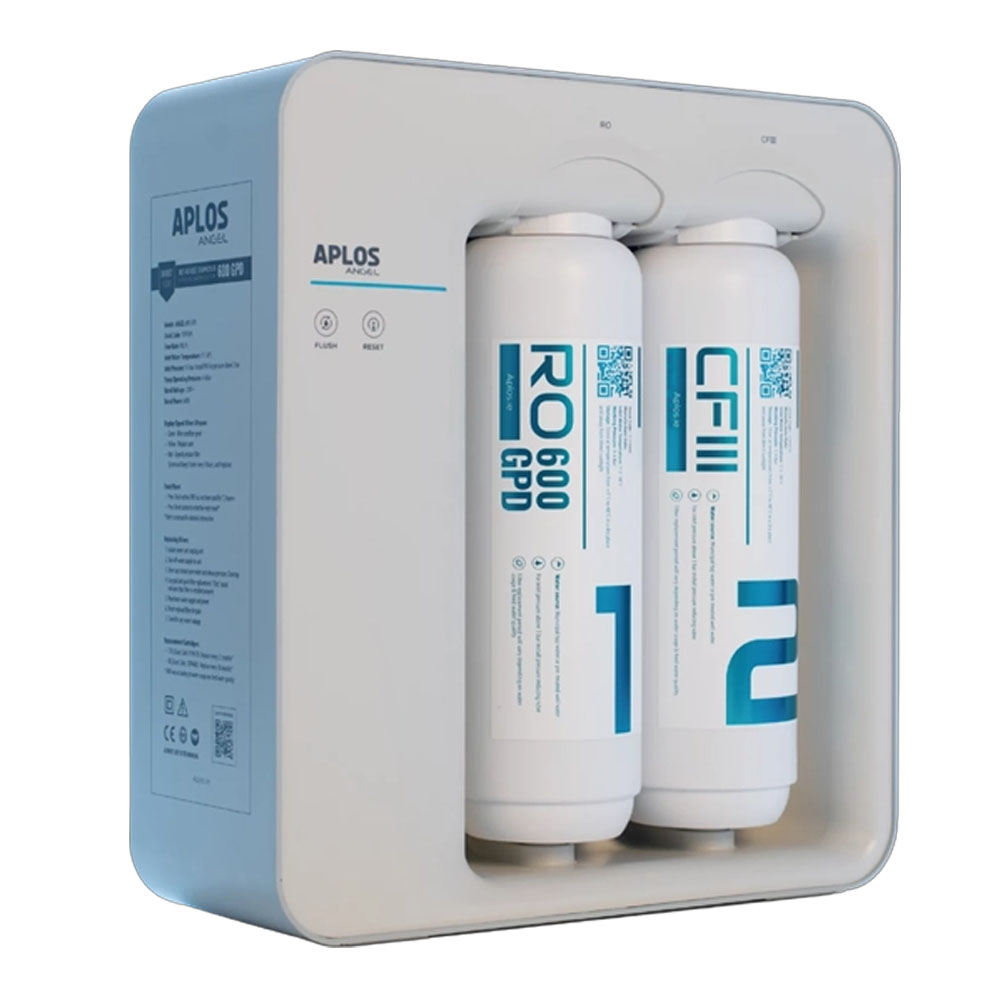
The key differences are in design and operation. Standard 5-stage domestic reverse osmosis consist of three generic pre-filters, membrane, post-carbon filter, storage tank, and dedicated tap. These systems operate with a slower flow rate and store purified water in a tank. In contrast, domestic direct flow reverse osmosis systems offer a faster flow rate, signal when filters need replacement, feature only 2 or 3 compound filters, DIY 3-second filter replacement, and don’t limit purified water by avoiding the use of a storage tank.
Direct flow reverse osmosis systems are specifically engineered with an internal powerful pump and require power to operate. This design makes them ideal for households with low or standard mains pressure. In general, standard range reverse osmosis systems are more budget-friendly, while direct flow systems are considered high-end products due to the incorporation of advanced features.
Reverse osmosis (RO) systems require pressure to operate. Variations in pressure either too high or low can cause changes in purified water quality. RO systems can operate with a minimum pressure of 3 bar although 4 bar is more ideal. Systems should also be limited so that they do not exceed the maximum 6 bar operating pressure. This is normally done with a pressure reducing valve(PRV). Pumped RO system is a better choice in low mains pressure areas. If uncertain, opt for a pumped unit and PRV. There’s no downside; these units produce water at the fastest rate and operate optimally at higher pressure.
Domestic reverse osmosis treats hardness by removing minerals like calcium and magnesium. Signs of hard water include scale buildup in your kettle and fixtures, soap scum, difficulty lathering soap, and water spots. You can also use water testing kits to confirm hardness.
Yes, using a domestic reverse osmosis system can significantly improve the taste of your tap water. RO systems effectively remove impurities, contaminants, and minerals, resulting in a purer and cleaner taste in the water. The process enhances the overall quality, making it more refreshing and enjoyable to drink.
Yes, maintenance is essential for domestic reverse osmosis systems. If not maintained, the system’s performance can decline, and the filters may become less effective. This can lead to impurities in the water and potentially damage the system over time. Regular and timely filter change ensures continued efficiency and the production of high-quality purified water.
While we generally recommend professional installation, the system easily installed by non-professionals.
The space needed under the sink for a traditional 5-stage domestic reverse osmosis system with a pressure tank is typically about 0.2m³. In contrast, opting for a direct flow RO unit can reduce the required space to as little as 0.03m³.
REVERSE OSMOSIS RANGE
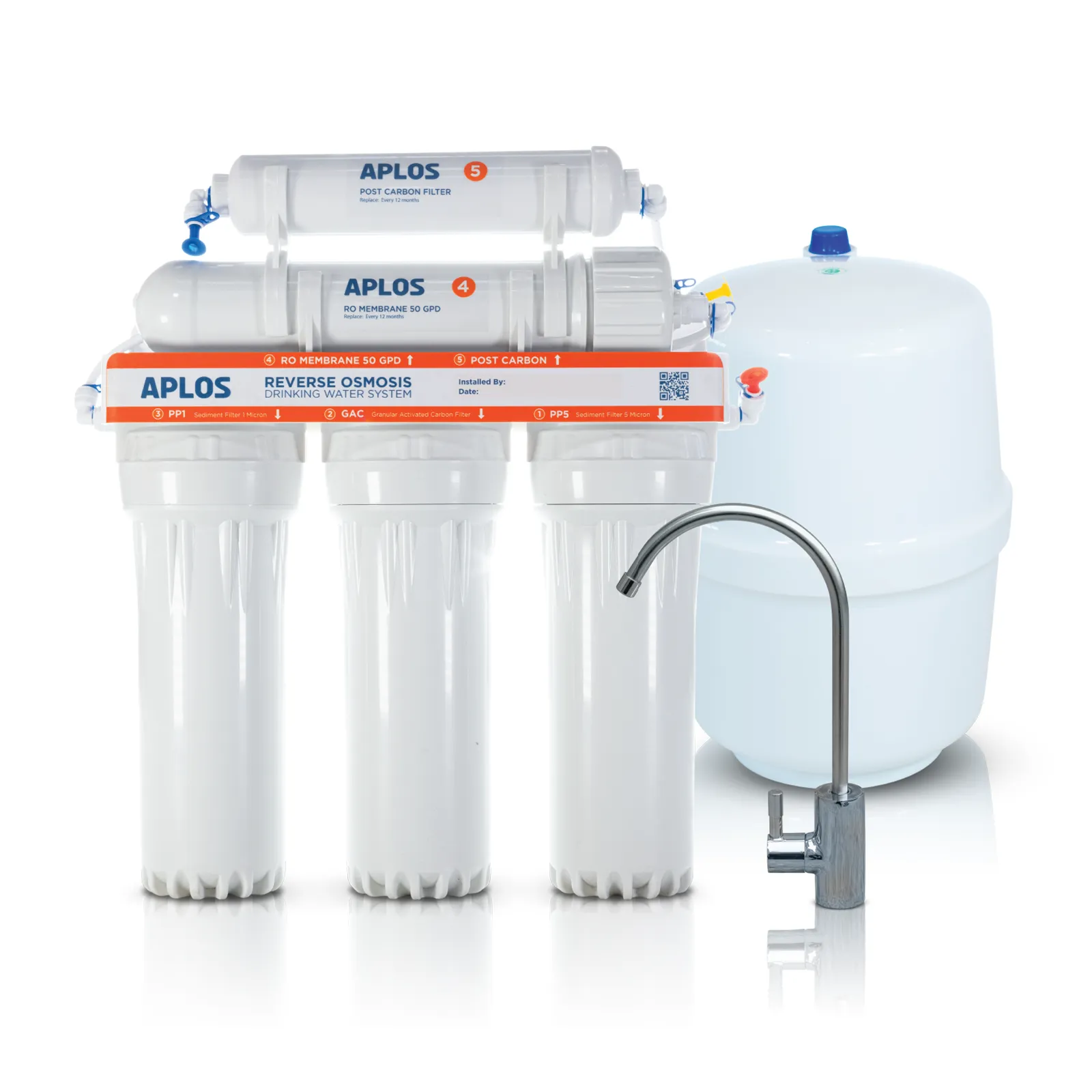
APLOS 5-Stage
Performance Range:Produces: 190L/day of drinking water
Storage Tank: 7L
Performance: Reduces 99% of contaminants
Feed water quality: TDS: < 1500ppm
Min/Max Water Temp: 4-30*C
Min/Max Pressure: 3-6 Bar
Type: Non-Pumped
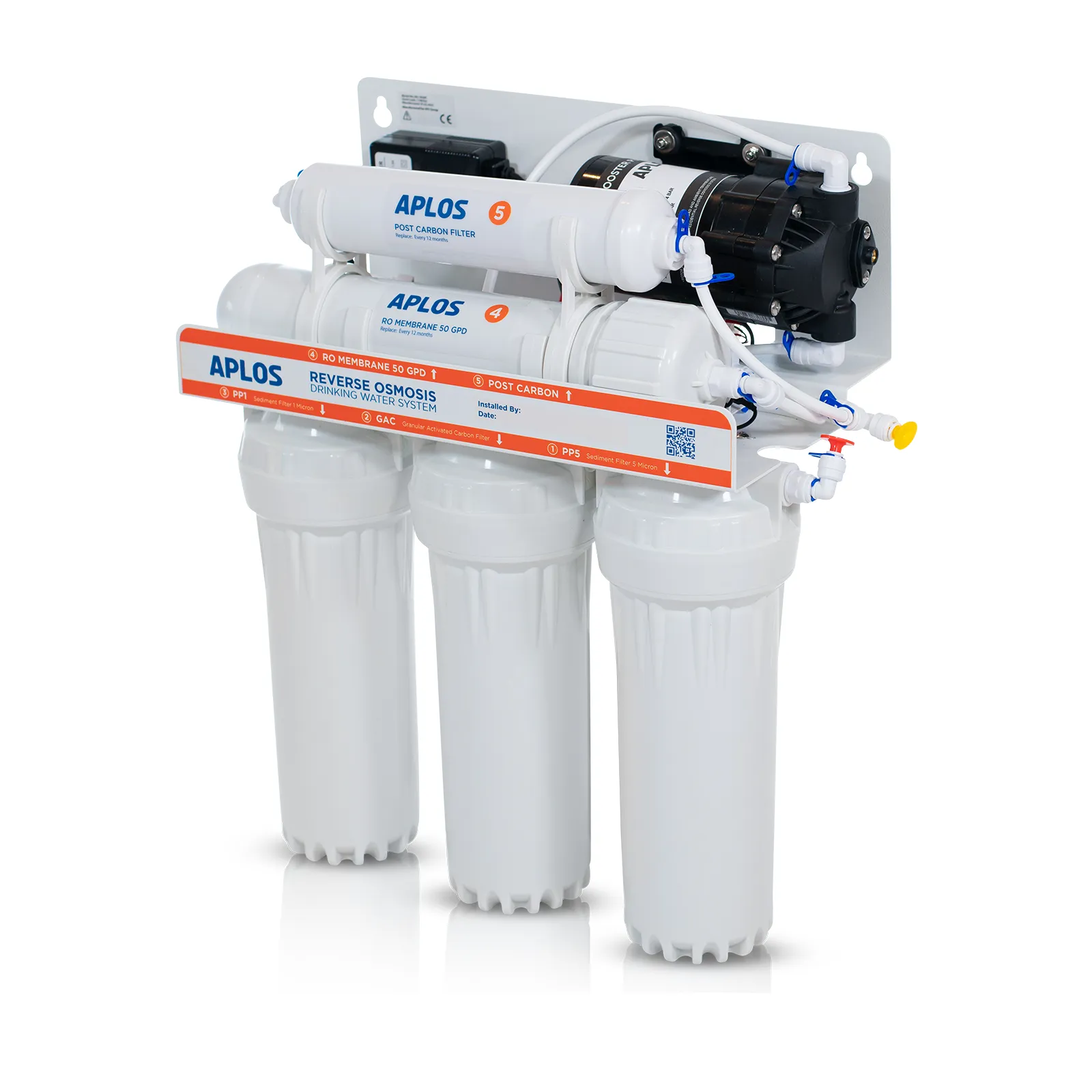
APLOS 5-Stage
Performance Range:Produces: 190L/day of drinking water
Storage Tank: 7L
Performance: Reduces 99% of contaminants
Feed water quality: TDS: < 1500ppm
Min/Max Water Temp: 4-30*C
Min/Max Pressure: 3-6 Bar
Type: Pumped From Tank
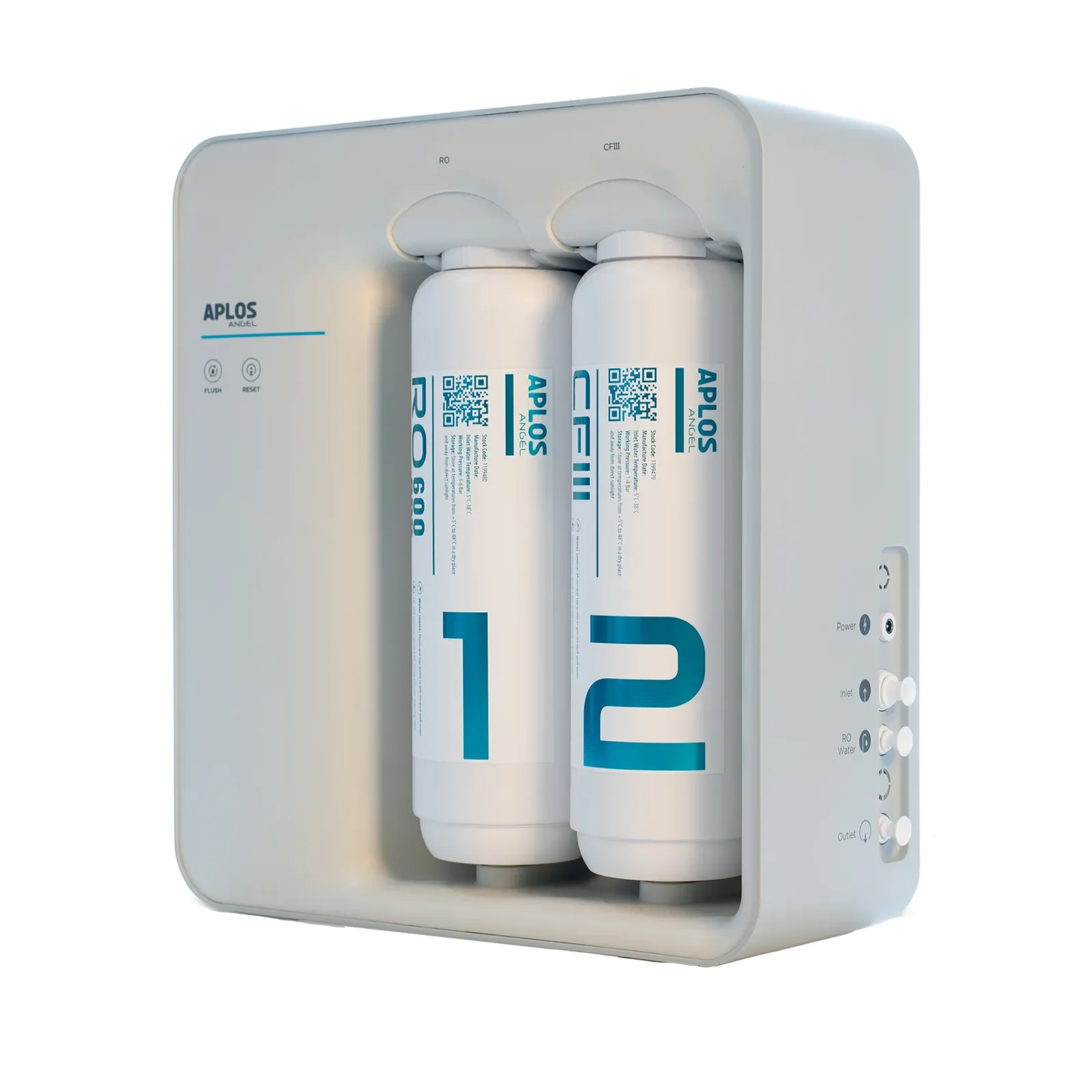
APLOS Angel 4-Stage
Performance Range:Produces: Approx 2160L/day of drinking water
Storage Tank: N/A
Performance: Reduces 99% of contaminants
Feed water quality: TDS: < 1500ppm
Min/Max Water Temp: 5-38*C
Min/Max Pressure: 4-6 Bar
Type: Pumped Direct Flow
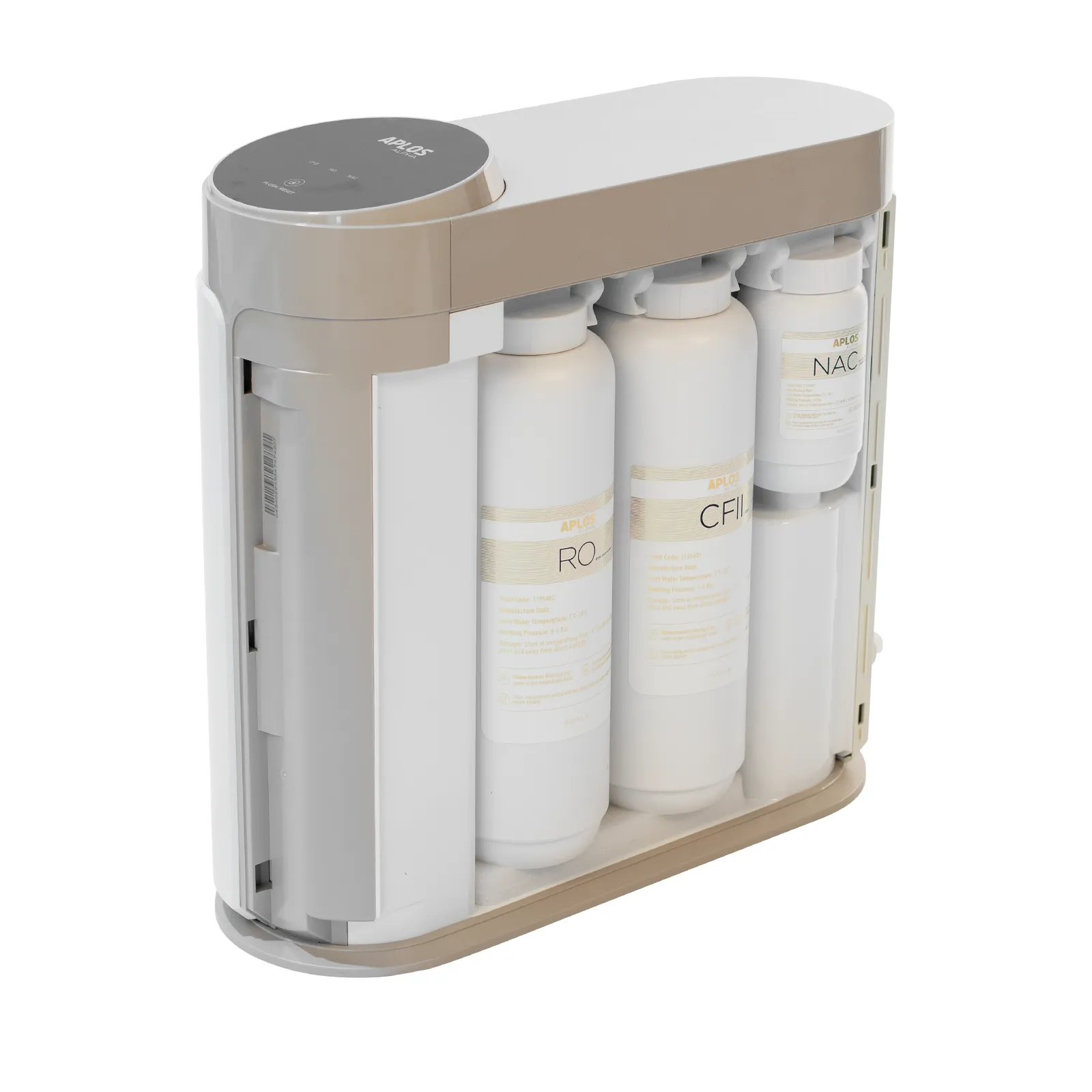
APLOS Alpha 5-Stage
Performance Range:Produces: Approx 2160L/day of drinking water
Storage Tank: N/A
Performance: Reduces 99% of contaminants
Feed water quality: TDS: < 1500ppm
Min/Max Water Temp: 5-38*C
Min/Max Pressure: 4-6 Bar
Type: Pumped Direct Flow