


VIQUA UV WATER SYSTEMS
OFFICIAL UK SUPPLIER
VIQUA supplies UV water systems for homes and light commercial sites. Its systems treat water without using chemicals.
The company has more than 40 years of experience in residential UV water treatment. In addition, VIQUA supplies systems to customers around the world. Their products focus on reliable performance, simple use and effective water disinfection. As a result, VIQUA is a trusted name in UV water treatment.
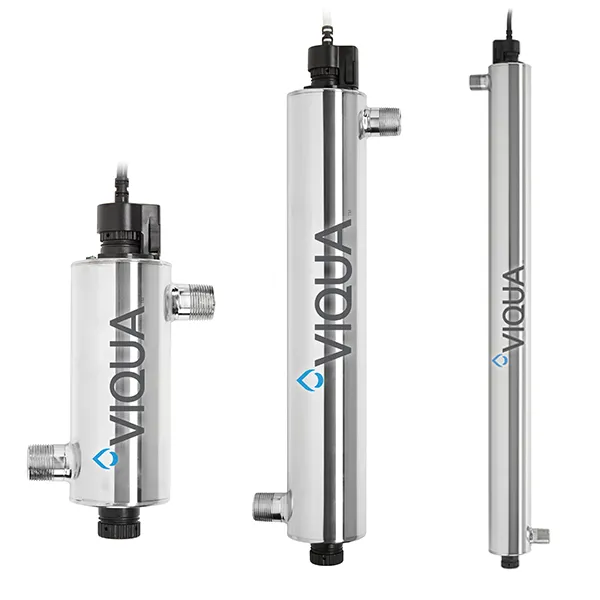
VH & VP Range
Compact UV systems for reliable water treatment in homes and light site use.
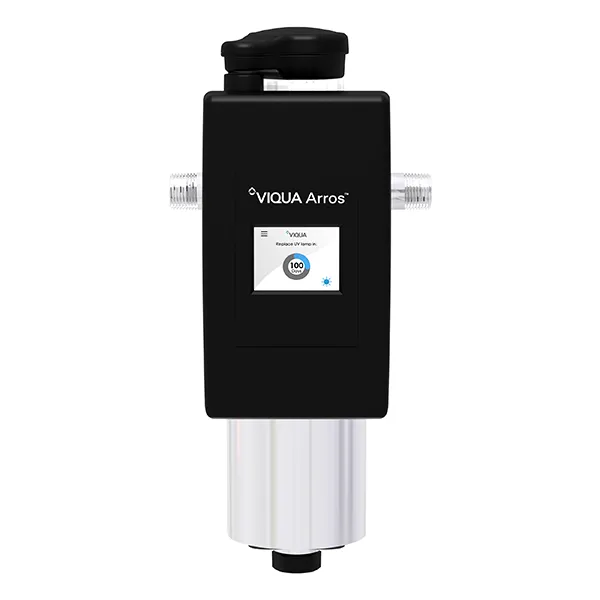
ARROS Range
Advanced UV filters for dependable protection across everyday water systems.
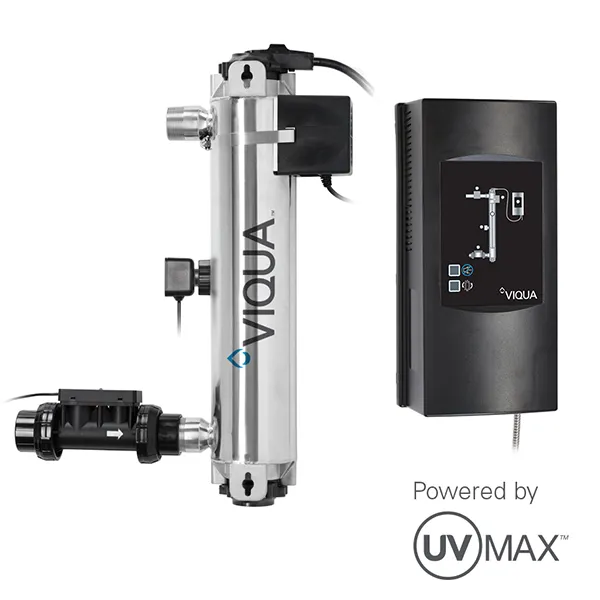
PRO Range
Professional UV systems for higher-flow water treatment and larger installs.
Single Tap
Our TAP family of UV systems are meant to be installed at a single tap or faucet within a home, cottage, or business. These systems are also suitable for water bottle re-fill stations, water fountains or other low-flow applications

Whole Home
The VIQUA family of high-quality, point-of-entry UV systems has a product to meet your needs. With flow rates up to 22 GPM, some of these systems are also suitable for light commercial applications.
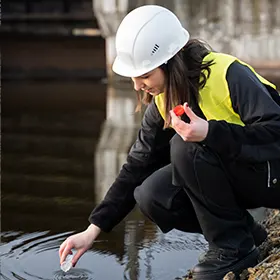
Professional
Our PROFESSIONAL systems offer an extensive range of high-performance UV systems built by VIQUA to demanding specifications. For regulated environments, count on our UV engineering acumen paired with our exceptional range of pre-treatment options.

Specialty
Our SPECIALTY family of UV systems covers your needs in unique applications. You’ll be sure to appreciate a design that allows easy integration into OEM applications like vending machines or dispensing equipment.
HOW UV LIGHT TREATS WATER
Ultraviolet (UV) light is a form of light that is invisible to the human eye.
In water treatment applications, UV light provides rapid, effective inactivation of microorganisms through a physical process. When microorganisms are exposed to wavelengths of UV light, they are instantaneously rendered incapable of reproducing. Microorganisms are inactivated by UV light as a result of damage to nucleic acids. The high energy associated with short wavelength UV energy, primarily at 254 nm, is absorbed by cellular RNA and DNA. This absorption of UV energy forms new bonds between adjacent nucleotides, creating double bonds or dimers. Dimerization of adjacent molecules, particularly thymine, is the most common photochemical damage. Formation of numerous thymine dimers in the DNA of microorganisms prevents replication.