

Increasing Levels of Nitrates in UK Water Supply
The UK is currently facing a major issue with increasing levels of nitrates in its water supply. Since 1945, the levels of nitrates in UK water have been steadily rising, and it is crucial that we take action to remove them.
What are nitrates and where do they come from?
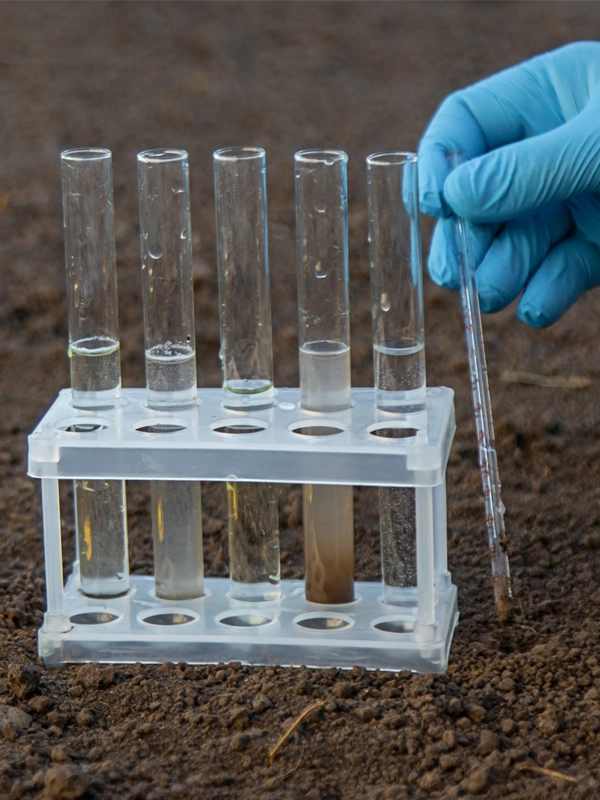
Nitrates are naturally occurring compounds that are essential for plant growth, but when they are present in high levels in water, they can pose a serious threat to human health and the environment. There are several factors that have contributed to the increase in nitrate levels in UK water. One of the main causes is the excessive use of fertilisers in agriculture. These include both manufactured fertiliser and organic manure. When these fertilisers are applied to crops, the nitrates can seep into the soil and eventually make their way into water sources, such as rivers and lakes. In addition to fertilisers, sewage, and animal waste also contribute to the problem, as they can contain high levels of nitrates that can leach into the water supply.
How are nitrates harmful to your health?
The presence of high levels of nitrates in water can have serious consequences for both humans and the environment. In addition to health risks, nitrates can also have a detrimental impact on the environment, as they can lead to the growth of algae and other harmful microorganisms, which can disrupt ecosystems and harm aquatic life.
When taken into the body by drinking water and through other dietary sources, nitrate and nitrite can react with amines and amides to form N-nitroso compounds (NOC), which are known to cause cancer in animals and may cause cancer in humans. Excessive nitrate or nitrite exposure can also result in acute acquired methemoglobinemia, a blood abnormality that causes blood to lose its ability to carry oxygen to tissues (anoxia). This is especially dangerous in infants younger than 4 months of age.
Studies assessing connections between nitrate and cancer in humans have focused on excess exposure from drinking water or food grown in areas where use of nitrogen-based fertilisers is common. Some of the highest levels of nitrate have been measured in shallow wells and surface water supplies that are subject to runoff from nitrogen fertilizers, confined animal feedlot operations, and resulting excrement and contamination from leaking septic tanks and sewage.
How many nitrates are in the water?
The United Kingdom and European standard for the concentration of nitrate in drinking water is per million (50 mg/l). Trends in nitrate concentrations in UK groundwater are rising at an average 0.3 mg/l/year.
Nitrate Removal Water Treatment Ranges
To address the issue of increasing nitrates in UK water, it is crucial that we take steps to remove them from our water supply. One effective method for removing nitrates is through the use of water treatment technologies, such as ion exchange or reverse osmosis, which can help to filter out nitrates and other contaminants from drinking water.
In addition to water treatment, it is also important to implement measures to reduce the sources of nitrates entering the water supply, such as implementing sustainable agricultural practices and improving wastewater treatment processes.
Nitrate removal is just one of many water treatment systems we can offer.
Please call Jason Humphries on 07958701744
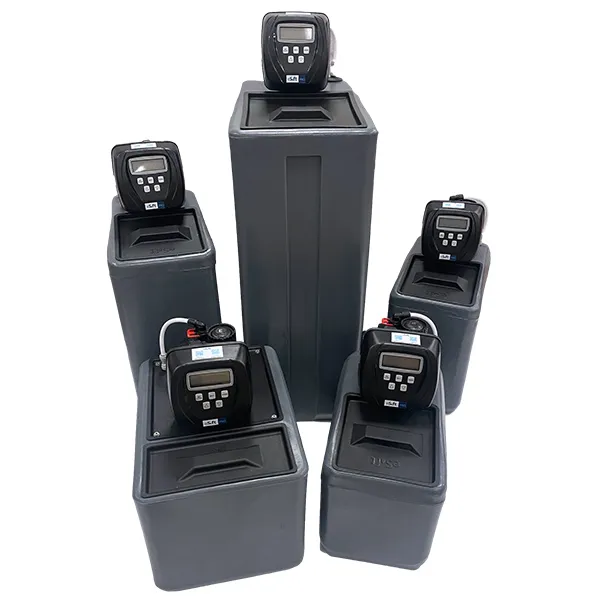
Domestic Nitrate Removal (10L, 20L, 30L)
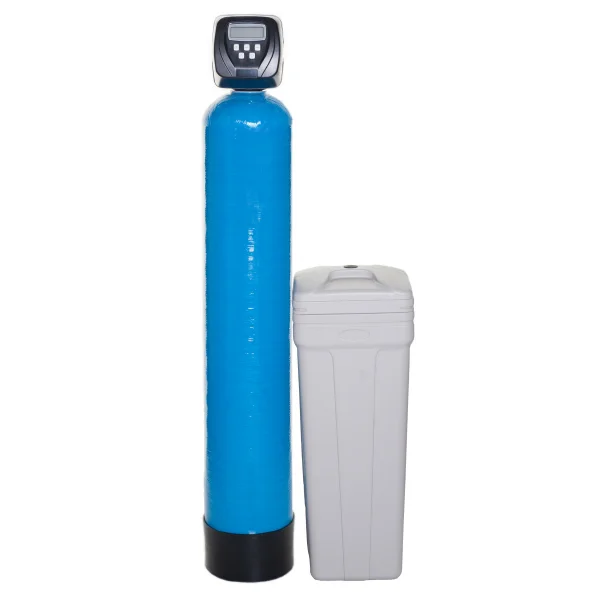
Simplex Nitrate Removal(10L to 750L)
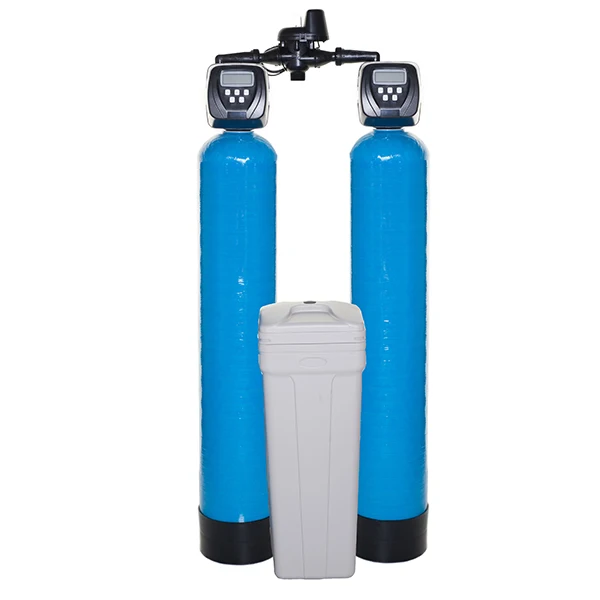
Duplex Nitrate Removal (10L to 750L)
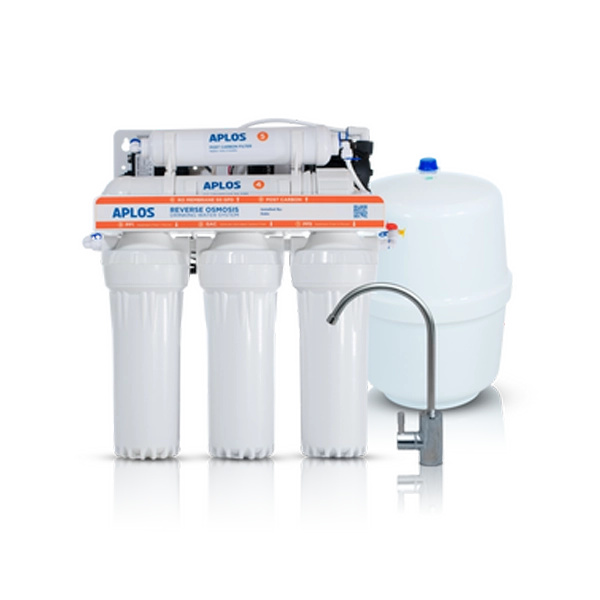
APLOS 5
Reverse Osmosis
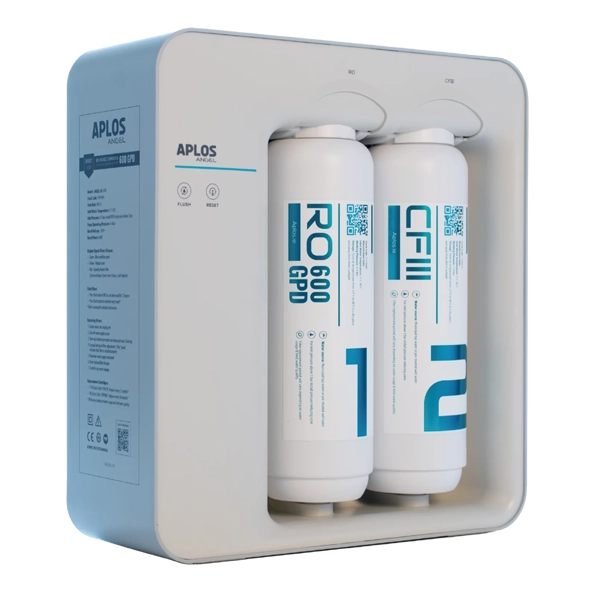
APLOS Angel
Reverse Osmosis
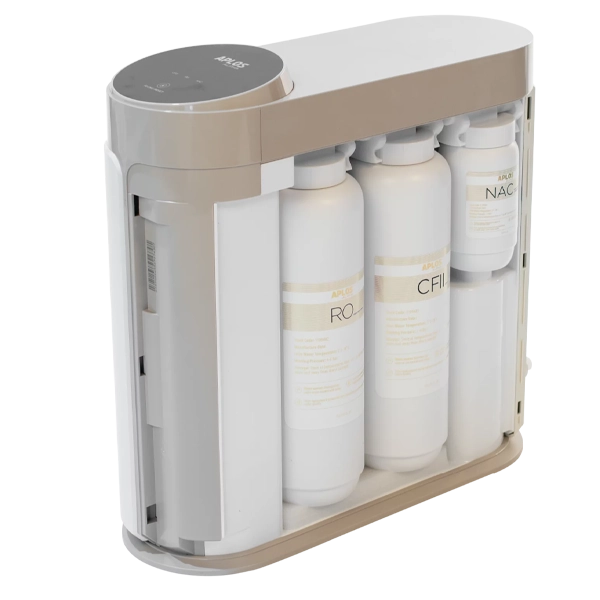
APLOS Alpha
Reverse Osmosis
Check out some of our other ARTICLES
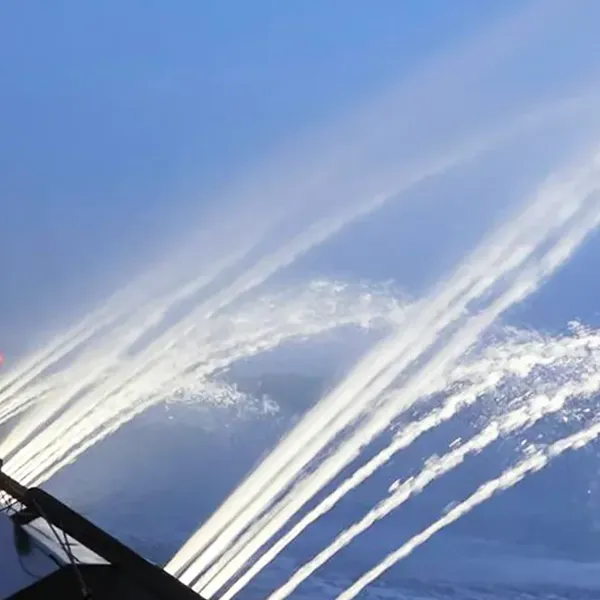
Borehole Pumps for Bideford Quayside Fountain
Borehole pumps supplied for Bideford Quayside Fountain, supporting reliable water movement and helping maintain the fountain’s operation.

Water Supply Boreholes for a Camping Site | Pump Replacement

Replacement Sewage Pumps for a Pumping Station | Housing Development
Replacement sewage pumps supplied for a pumping station, providing a reliable solution to restore wastewater handling and maintain site performance.

Vertical Multistage Pumps Replacement | Brewery
Vertical multistage pumps replacement supplied to restore reliable pressure, flow and performance for the customer’s water system.